
Latest News and Articles
If you’re considering PRESBYOND® Laser Blended Vision, understanding the recovery process is just as important as understanding the procedure itself. While many patients notice improvements in their vision within days, recovery is a gradual process that involves both physical healing and visual adaptation. Knowing what to expect at each stage can help you feel more confident, manage expectations, and get the most from your surgical outcome.
What Is Recovery Like After PRESBYOND Laser Blended Vision?
One of the most common questions we hear from patients considering PRESBYOND Laser Blended Vision is:
“How long will it take for my vision to settle?”
The answer is that recovery involves more than just healing of the eyes. PRESBYOND is a sophisticated vision correction procedure that also requires your brain to adapt to a new way of seeing. Understanding what to expect can help make your recovery smoother, less stressful, and ultimately more successful.
How PRESBYOND Creates a Full Range of Vision
Unlike traditional laser vision correction, PRESBYOND Laser Blended Vision is specifically designed to address presbyopia – the age-related loss of near focusing ability that typically begins in your 40s.
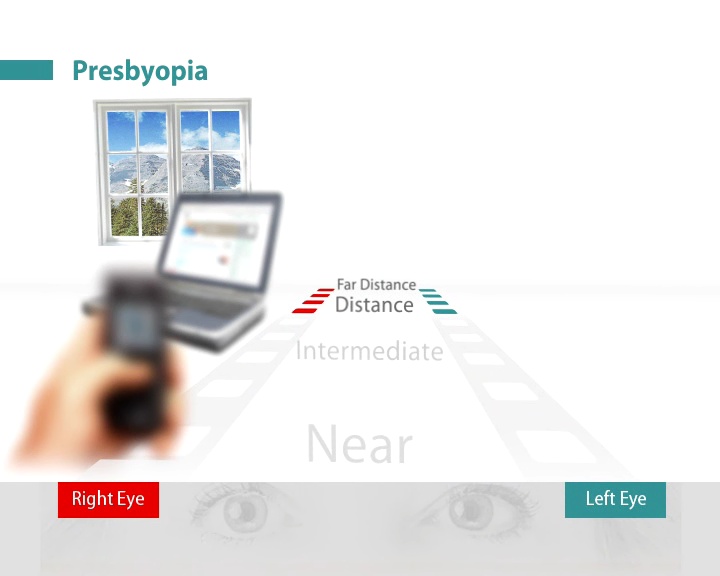
The procedure works by creating a carefully balanced visual system:
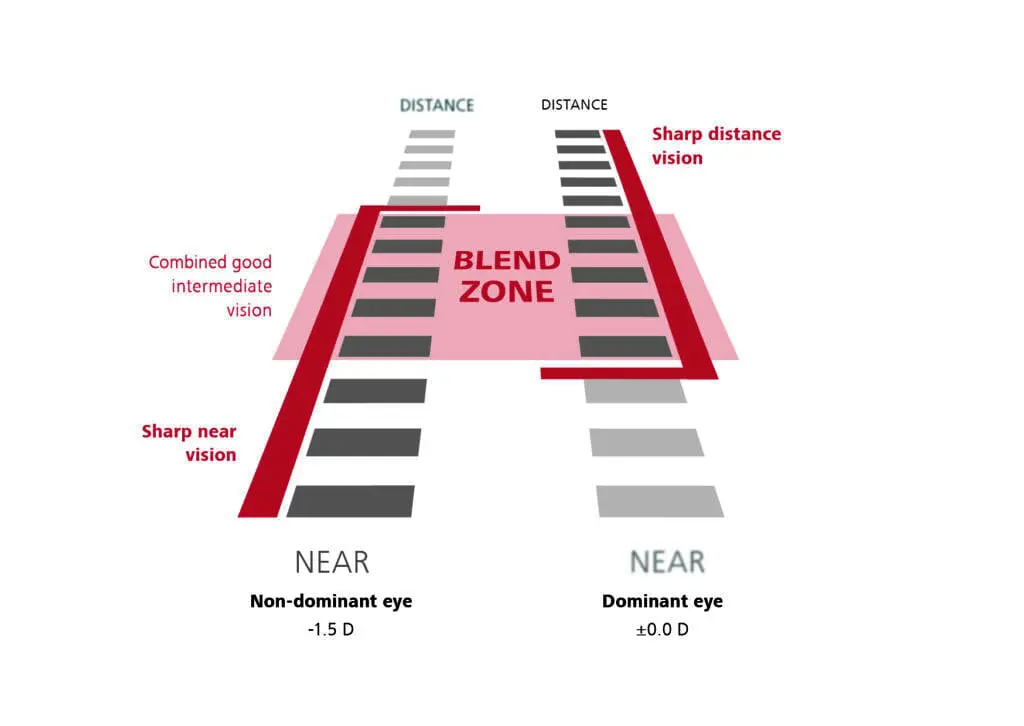
- One eye is optimised primarily for distance and intermediate vision.
- The other eye is optimised primarily for intermediate and near vision.
- Your brain learns to combine information from both eyes, allowing you to see comfortably across a range of distances.
This process is known as neural adaptation and is a normal part of recovery. Many patients are surprised to discover that each eye sees slightly differently after surgery. This is intentional and forms the foundation of how blended vision works.
The Three Stages of PRESBYOND Recovery
Stage 1: Immediate Recovery
The first few hours to the first few days
Immediately after your procedure, it’s normal to experience:
- Mild discomfort or irritation
- Watering of the eyes
- Light sensitivity
- A gritty or dry sensation
- Blurred vision
- Halos around lights at night
Patients undergoing LASIK often notice significant visual improvement within 24 hours. The most important things during this phase are rest, regular use of prescribed eye drops, and following your surgeon’s instructions carefully.
Stage 2: Early Healing
The first few weeks
This is often the stage that patients find most surprising.
Although the eyes are healing normally, vision can fluctuate considerably during the first month. Some days, your distance vision may seem excellent, while near vision feels less sharp. On other days, the opposite may occur.
Common experiences include:
- Vision fluctuations throughout the day
- Temporary changes in clarity from day to day
- Dry eye symptoms
- Night-time glare and halos
- Variable near and distance vision
These changes occur because the cornea is healing, the tear film is stabilising, and your brain is beginning to adapt to the blended vision system.
A Common Mistake During Recovery
Many patients constantly test each eye individually to see which eye is performing better. While understandable, this can actually make adaptation feel more frustrating.
Instead, try to use both eyes together as naturally as possible. The goal is not for each eye to perform perfectly at every distance, but for both eyes to work together as a team.
Why Artificial Tears Are So Important
Dry eye symptoms are extremely common after laser vision correction. Following surgery, temporary changes to the corneal nerves and tear production can cause:
- Dryness
- Irritation
- Fluctuating vision
- Reduced visual comfort
Regular use of preservative-free lubricating drops can significantly improve both comfort and visual stability during recovery. Many patients find that diligent use of artificial tears is one of the simplest ways to improve their early recovery experience.
Stage 3: Visual Adaptation
One month to several months
Once the majority of physical healing has occurred, the adaptation phase begins. This is where your brain learns to seamlessly combine the visual information from both eyes.
For some patients, adaptation happens within a few weeks. For others, it can take several months. Most patients notice significant adaptation within four to six months, although subtle improvements can continue for up to a year after surgery.
Patience during this phase is important. Recovery after PRESBYOND is not simply about healing; it is also about allowing your visual system time to adjust.
Why Some Patients Adapt Faster Than Others
Every patient’s experience is slightly different.
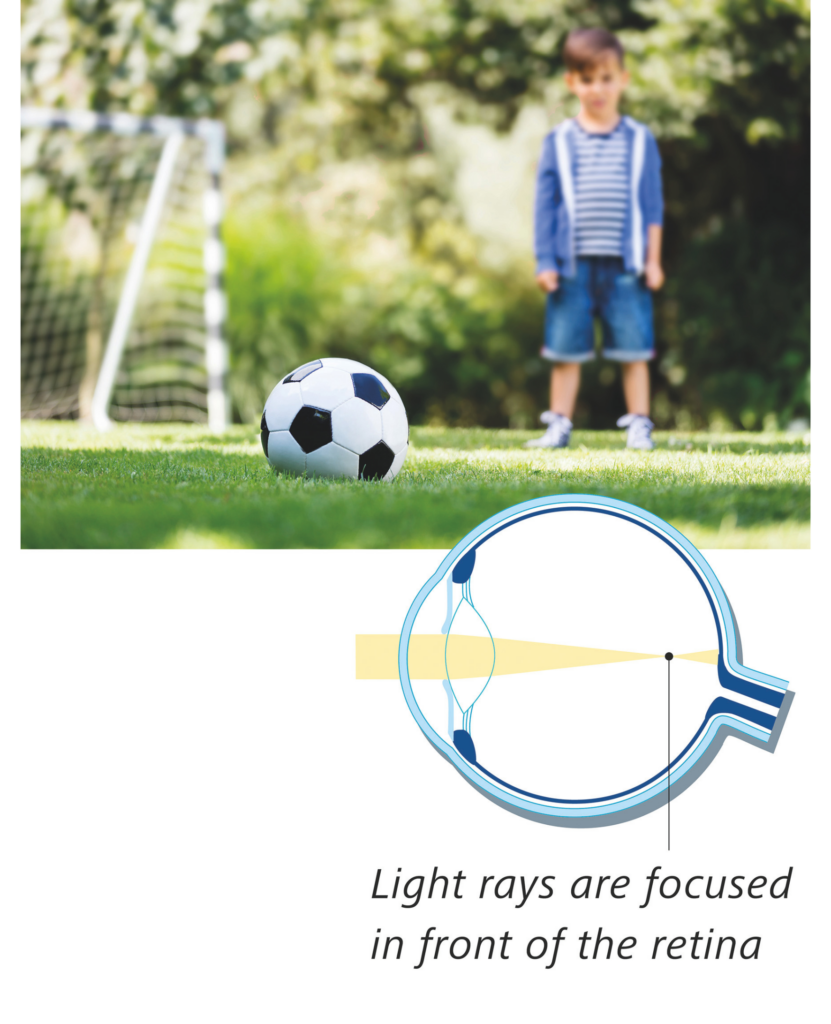
If You Were Previously Short-Sighted (Myopic)
Myopic patients often notice:
- Gradual adaptation to the blended vision effect
- Good distance vision relatively early
- Near vision that continues to improve over time
If You Were Previously Long-Sighted (Hyperopic)
Hyperopic patients may experience:
- Progressive improvement as healing continues
- Excellent near vision early on
- Distance vision that takes longer to stabilise
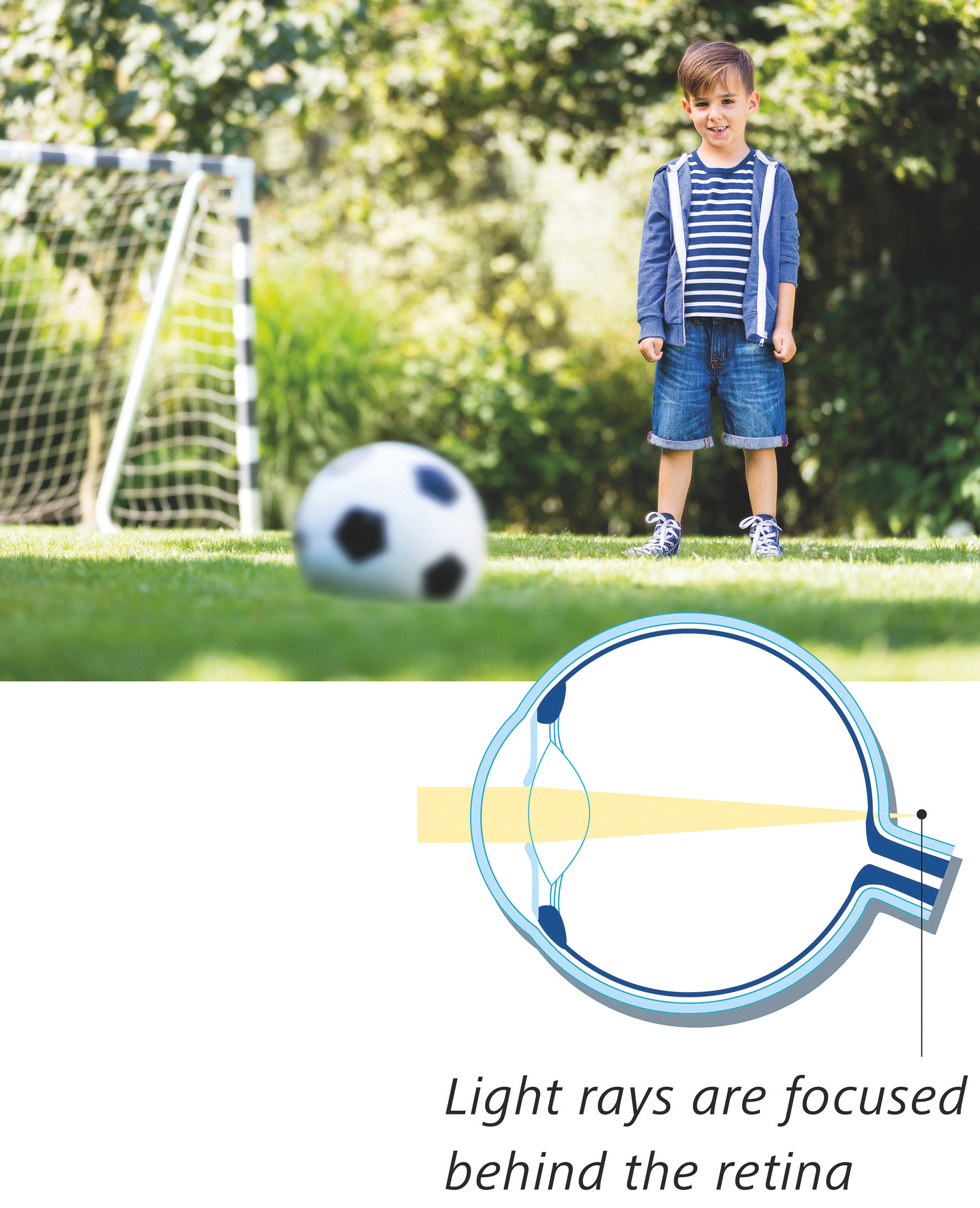
If You Previously Had Good Distance Vision But Needed Reading Glasses (Presbyopic)
This group often experiences the greatest adaptation period. Initially, it may feel as though some distance sharpness has been exchanged for near vision. In most cases, this sensation improves significantly as the brain adapts to the new visual system.
Will I Still Need Glasses After PRESBYOND?
The aim of PRESBYOND is to significantly reduce dependence on glasses for everyday activities. However, no vision correction procedure can guarantee complete freedom from spectacles in every situation. Some patients may still choose to use glasses occasionally for:
- Reading very small print
- Extended reading sessions
- Dimly lit environments
- Night driving
- Other visually demanding tasks
Occasional need for glasses does not mean the procedure has been unsuccessful.
What If My Vision Doesn’t Settle Exactly As Planned?
Healing responses vary between individuals. Although most patients achieve excellent outcomes after a single procedure, occasionally a small enhancement treatment may be recommended once vision has stabilised. This occurs in approximately 5% of eyes treated with Laser Blended Vision.
Enhancements are a routine part of modern laser vision correction and are designed to fine-tune the visual result when appropriate.
When Should You Contact Your Surgeon?
While most recovery symptoms are normal, you should contact your clinic immediately if you experience:
- Significant pain
- Sudden worsening of vision
- Increasing redness
Your surgical team would always rather hear from you unnecessarily than have you worry about a symptom at home.
The Bottom Line
PRESBYOND® Laser Blended Vision offers many patients greater freedom from glasses for both distance and near vision. The key to a successful recovery is understanding that the process happens in stages.
Physical healing occurs first. Visual adaptation follows.
Give yourself time, follow your post-operative instructions carefully, attend your follow-up appointments, and trust the process. For most patients, the reward is a more natural range of vision and greater visual freedom in everyday life.
PRESBYOND® is a registered trademark of Carl Zeiss Meditec.
May. 26, 2026 / Laser Eye Surgery
Why we recommend Dry Eye Treatments before your Laser Vision Correction

Apr. 16, 2026 / Laser Eye Surgery
How Much Does Laser Eye Surgery Cost in 2026?
Nov. 27, 2025 / Laser Eye Surgery
What to expect during your Laser Suitability Medical Assessment at Wellington Eye Centre

Jun. 12, 2025 / Laser Eye Surgery
Common Medications Used in Laser Eye Surgery
May. 14, 2025 / Eye Health
Amblyopia and Laser Eye Surgery

Jun. 16, 2026 | Laser Eye Surgery
PRESBYOND Recovery: What to Expect After Laser Blended Vision Surgery
May. 26, 2026 | Laser Eye Surgery
Why we recommend Dry Eye Treatments before your Laser Vision Correction

May. 04, 2026 | Eye Health
Vitamins For Good Eye Health and Vision
Apr. 16, 2026 | Laser Eye Surgery
How Much Does Laser Eye Surgery Cost in 2026?

Mar. 19, 2026 | Eye Health