
Latest News and Articles

Are your eyes sore, itchy or gritty? Maybe you have a condition called Dry Eye, here is what you need to know!
Most people will know the feeling of having irritated, sore or gritty eyes – a long-haul flight, a pesky eyelash stuck in your eye or a terrible night’s sleep could be a cause of this. Unfortunately for some, this feeling can be daily and is a condition known as Dry Eye. Dry Eye can be caused by a variety of things, it can be uncomfortable and at times debilitating
What is dry eye? And why do some people develop it? At the Wellington Eye Centre, we get these questions frequently. Keep reading to learn more.
What Is Dry Eye?
Dry eye is a condition some people experience due to an issue with their tears. Either not enough tears are produced, or something impacts the quality of their tears, resulting in a gritty sensation. Despite its name, dry eye can sometimes cause your eyes to water excessively! Dry eye tends to occur in both eyes, but in some cases it can affect only one eye.
Most people associate tears with crying and being emotional, but in fact, we always need a decent volume of tears. Tears are what keep our eyes lubricated, so that when we blink, our eyelids smooth effortlessly over our eyes. The layer of fluid created by our tears is called the tear film. The tear film is made of three layers: the mucin (mucous) layer, the aqueous (watery) layer and the lipid (oil) layer.
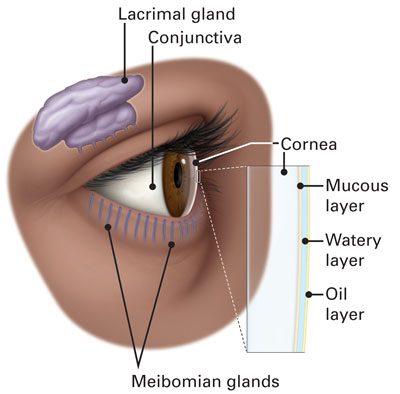
This tear film spreads over the outer surfaces of your eyeballs whenever you blink, helping your eyes to see clearly, to wash away bacteria and debris and to make the eye feel comfortable.
There are two main categories of dry eye: evaporative dry eye and aqueous deficiency. Most of the time, both categories are present in people who have developed dry eye.
Evaporative dry eye
This condition occurs when the oil (lipid) layer of your tear film is lacking. A poor lipid layer results in your tears evaporating faster than normal. This doesn’t mean there aren’t enough tears, but the quality of these tears isn’t normal. The oily layer of your tears traps the rest of your tear film against your eye, slowing the evaporation. This oily layer also helps the tear film spread over your eyes smoothly, ensuring moisture reaches all areas.
Aqueous deficiency
Aqueous deficiency is a category of dry eye where your tear glands aren’t producing enough tears. With a low volume of tears, it is difficult for your eyes to stay lubricated, clean, and healthy. When you blink, your eyelids drag your tears over the surface of your eye, like a windscreen wiper cleaning your car window. If there aren’t enough tears, the blink is less effective at caring for the front surfaces of your eyes.
Typically, dry eye won’t cause any long-term eyesight problems. However, in extremely rare cases, the dryness can leave permanent damage to the front of your eyes, impacting your vision.
Why Have I Developed Dry Eye?
There can be several reasons someone might develop dry eye. We’ve listed some of the most common reasons below:
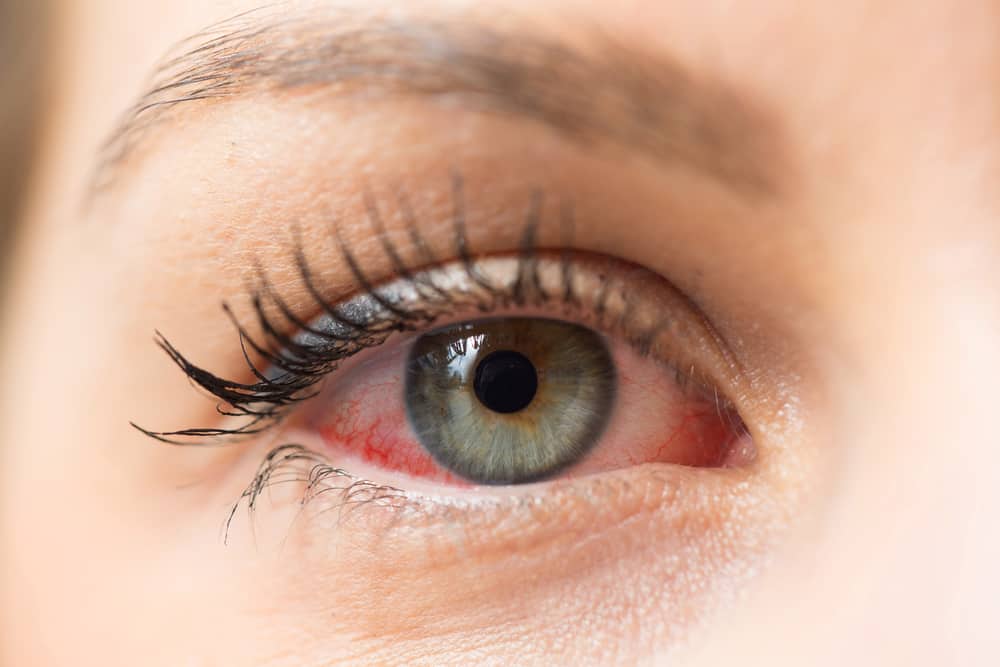
Causes of Dry Eye
Medical
Meibomian Gland Dysfunction (MGD) – the Meibomian Glands are located along the edge of the eyelids, just behind the base of your eyelashes. They produce the oil found in the oily layer of the tear film. If these glands get inflamed and blocked, they are unable to release oil at all, or the oil quality and quantity can drop.
Medical conditions – some people may develop dry eye symptoms as a result of other medical conditions such as: lupus, thyroid disease, asthma, diabetes and arthritis.
Sjogren’s Syndrome – this is an autoimmune disorder which inhibits a person’s ability to fight infections. In particular, Sjogren’s Syndrome affects the mucous membranes that produce moisture, causing dry eyes and a dry mouth.
Medications – Some medicines cause dry eye as a side effect. If you are taking pain relief medication, oral contraceptives, antihistamines, hormone treatments, blood pressure medications, sleeping pills, diuretics, medications for Parkinson’s disease or antidepressants and you experience dry eye symptoms, please tell your doctor.
Surgery to the Eye – Sadly, surgeries that improve eye health or that improve your vision can also make your eyes drier. Even Laser Vision Correction surgery will increase your chances of having a dry eye after surgery. For most people, Laser Vision Correction surgery causes feelings of dry eye for a short period of time, usually less than 4 weeks. But in some cases, these dry eye symptoms can persist. To minimise your chance of having dry eye after Laser Vision Correction, we may treat your dry eye before you have surgery, we might recommend a different type of vision correction procedure, other than laser, or we might sadly advise you to avoid all elective eye surgeries.
Genetics
Gender – It is more common for women to develop dry eye than men. This is due to hormonal changes that women go through during pregnancy, menstruation and menopause. Women who are having hormone replacement therapy are also more likely to experience symptoms. The same goes for individuals transitioning between genders; the intense changes in hormones can make for very dry eye, especially male-to-female transitions. Read more on how hormones affect all aspects of our eye health.
Age – we are more likely to develop dry eye symptoms as we age because we produce fewer tears as we get older. 5-7% of people over the age of 65 will develop dry eye.
Lifestyle or environment
Wearing contact lenses – dry eye is often caused by irritation from contact lenses. Contact lens intolerance can be a symptom of dry eyes. The lenses disrupt your tear film and can rub against the external surfaces of your eyes, which can aggravate dry eye symptoms. If you haven’t considered it, laser eye surgery can remove the need for contact lenses or glasses, helping reduce this type of dry eye. Check out this blog on the benefits of SMILE ® (a type of laser eye surgery).
Computer use – when we look at a screen for extended periods of time, we blink less frequently, which means our tear film evaporates faster. Try to blink more when using a computer or watching TV, as this may help to keep your eyes lubricated and comfortable. There are other things we can do to make our screen use healthier.
Environment –Exposing your eyes to strong winds or extreme dry weather can cause dry eye or watery eyes. The same thing can also happen indoors with air-conditioning and heating.
How Is Dry Eye Diagnosed?
Get in touch with an Optometrist or an Ophthalmologist if you’re experiencing dry, gritty or irritated eyes.
Eye Care Professionals, such as Optometrists and Ophthalmologists, can conduct several tests to determine if you have dry eye, identify the type of dry eye you may have, and help you develop the right treatment plan. If you go to your GP or Pharmacist, they will often recommend some lubricating eye drops first. If that isn’t sufficient, then follow up with an Eye Care Professional. The severity of dry eye can vary, so it’s important to get assessed by an Eye Care Professional to ensure the best treatment is prescribed.
To find an Optometrist near you, search on the New Zealand Association of Optometrists website.
Dry eye can be diagnosed by:
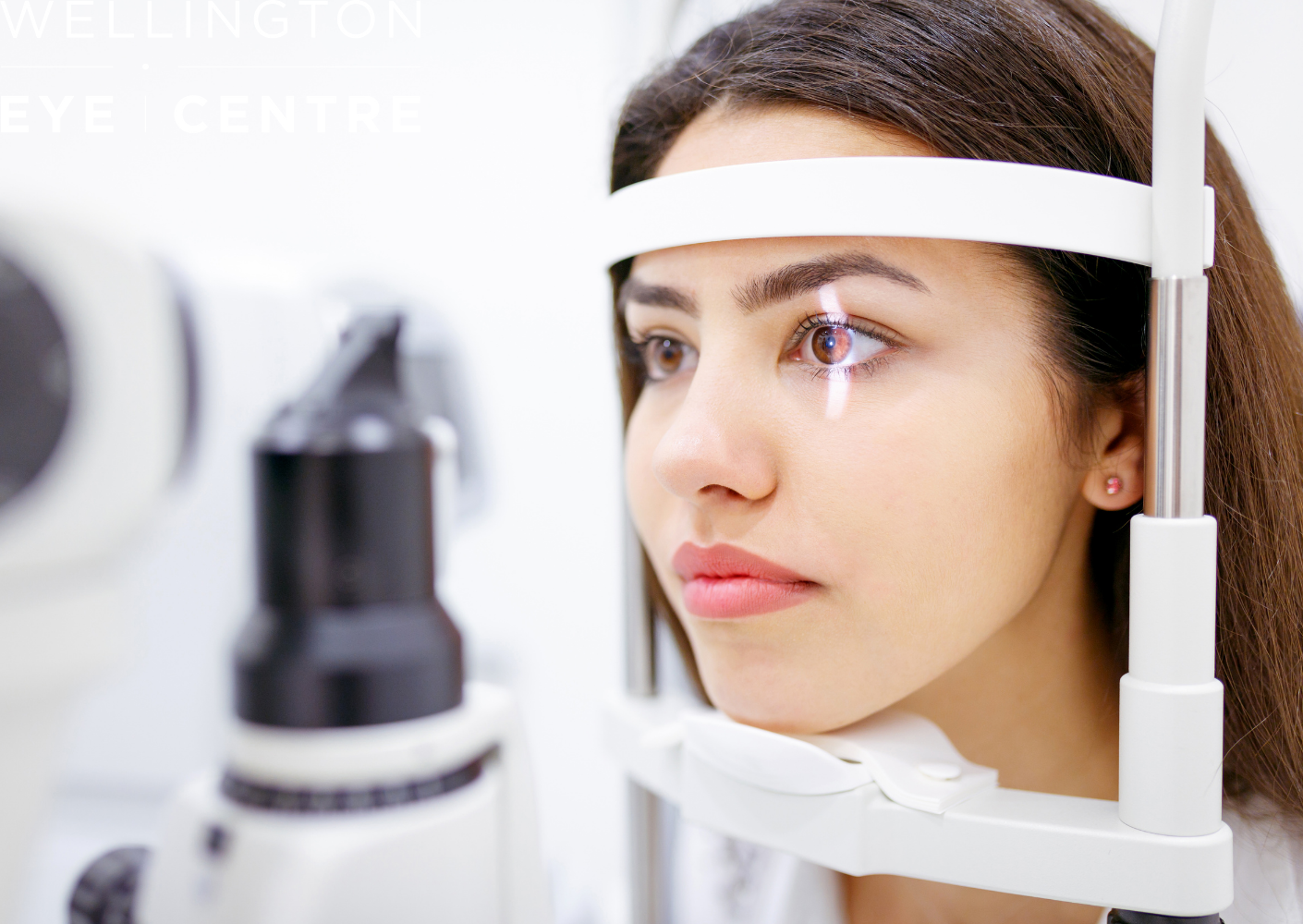
- A comprehensive eye exam takes into account your general health and eye health. Your clinician will also ask you about your medical history and day-to-day activities that may cause dry eye. This could include screen work or air conditioning. They will examine your eyes with a special microscope called a slit lamp to check your cornea, to see if there is any damage related to dry eye and to determine the extent of dryness.
- Measuring the volume of your tears. Tests like the Schirmer test help confirm the diagnosis and the severity of dry eye. Tests like this are performed by placing the end of a strip of filter paper or a cotton thread on your lower eyelid. You would then have to keep your eyes closed for a period of time (no more than 5 minutes). They will then measure the amount of moisture the paper/thread has absorbed. The amount of moisture absorbed is compared to a range of normal levels to see if you have a normal or reduced tear volume.
- Determining the quality of your tears. An Eye Care professional can perform a tear film break-up test to determine how quickly your tears evaporate after you blink. This test uses eye drops with a yellow-orange dye, which makes the tear film easier to see. Shining a blue light on your eyes will allow your clinician to see patches where tears have evaporated and to time how long it takes between blinking and these patches forming. If dry patches begin to form before ten seconds have passed, that’s usually a sign of dry eye. The dye in the drops stays in your tears for less than a minute, and it won’t change the colour of your eyes.
Ways To Relieve And Treat Dry Eye
Depending on the cause of your dry eye, you can manage your symptoms in several different ways. Your optometrist or eye specialist may recommend lifestyle changes such as:
- Adjusting the environment you live in. This could be using a humidifier to release moisture into the air and/or lessening the use of central heating and air conditioning.
- Avoid areas that are smoky, dusty and windy, or use wrap-around glasses when you’re exposed to these conditions, to protect your eyes.
- Making sure you are blinking regularly when working on a computer, watching TV and reading. Check out our other article for other great habits for screen users.
- Eating a diet with foods containing omega-3 or taking oral supplements
- Take a break from your contact lenses and use glasses for a while.
- Altering any medications, in discussion with your GP, if it is thought those medications are worsening your dry eye.
Eye drops
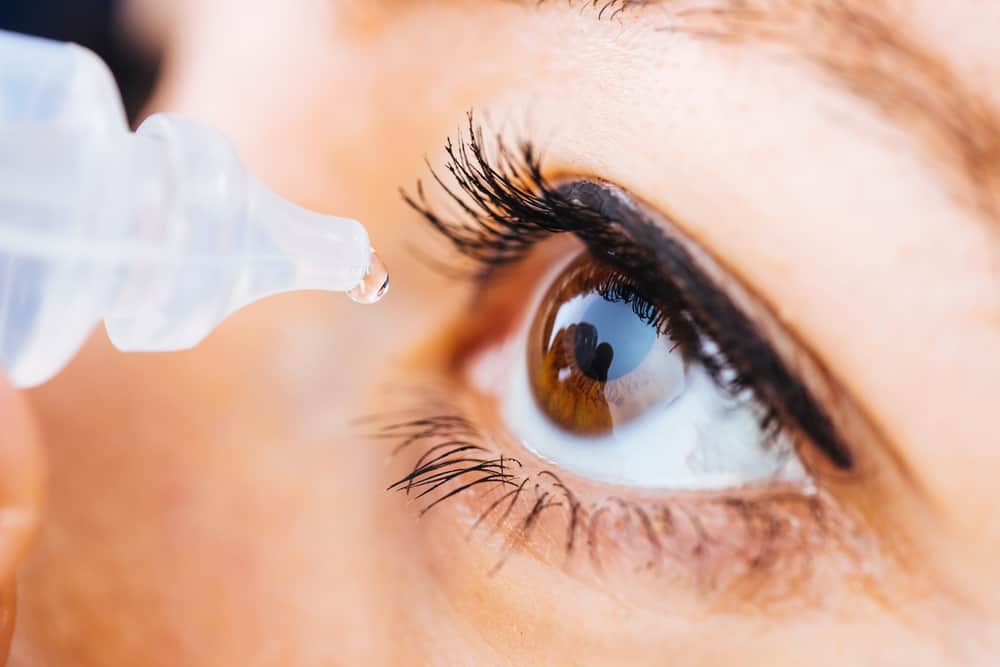
Lubricating eye drops are usually the first treatment to be prescribed when someone has dry eye. They’re essentially artificial tears, which supplement your natural tears. As well as keeping your eyes lubricated and comfortable, they can prevent damage to the front surface of your eyes. Damage may occur if your eyes are dry for a long time.
Make sure you use these eye drops as prescribed. If you find you need to use them more than the prescribed amount, let your eye specialist or optometrist know.
There are three main types of eye drops: artificial tears, gels or ointments. Your eye care provider will discuss with you what treatment may be best for you.
The more recently developed lubricating eye drops are designed to improve the quality and/or volume of specific layers of your tears. For example, one type of lubricating eye drop will be recommended if you need to improve the oily layer of your tears, but a different type will be prescribed if you need to boost the watery-aqueous layer of your tears.
Low-Level Light Therapy (LLLT)
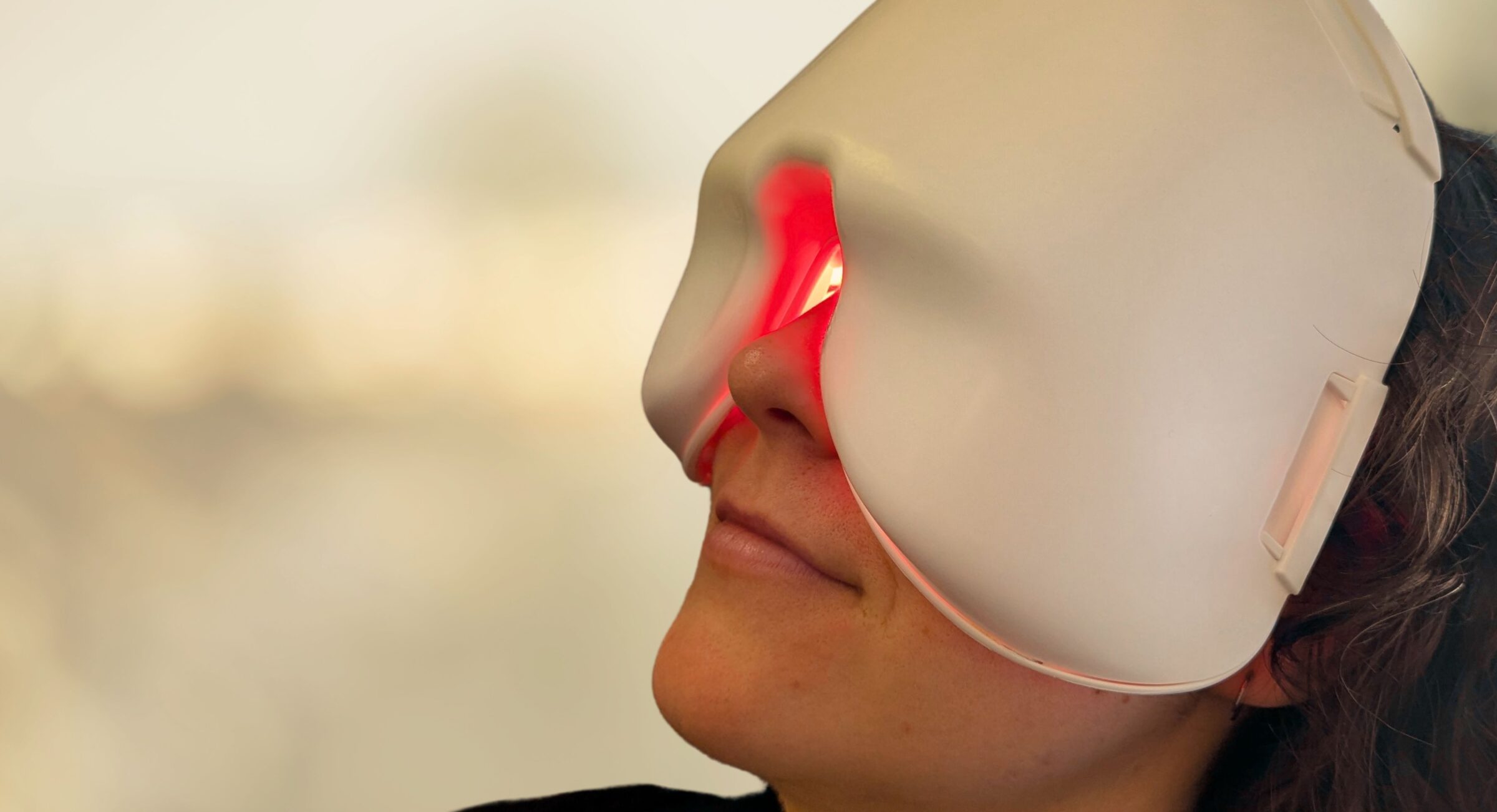
LLLT is a new and effective treatment recently available at the Wellington Eye Centre. It is a non-invasive (some people actually find it relaxing) treatment that involves bright lights being shone on the area around your eyes. The lights are of low frequency, and your eyes are closed during the treatment. Depending on the type of dry eye you may have, the frequency of light used may change.
LLLT can stimulate the meibomian glands in your eyelids to produce better quality meibum, reduce inflammation and reduce the bacterial load of the eyelid area.
IPL Treatment
IPL (Intense Pulsed Light) is an effective treatment used by Medical Professionals worldwide to treat dry eye. The machine applies light flashes to the lower eyelids, which increases the temperature in the eyelids and softens the blocked oils in the meibomian glands. IPL also reduces cytokines in the eyelids and reduces the number of bacteria on the surrounding skin. All of this helps to alleviate the symptoms of dry eye, especially when used in conjunction with other treatments. IPL isn’t a treatment we currently offer here at the Wellington Eye Centre. But it is one we have offered in the past, and we might do so again in the future.
Reduce the draining of tears
If your tears are draining too quickly, it’s possible to block the drainage holes in your eyelids – this is called “punctal occlusion”. The treatment partially or fully blocks the drainage channels using small devices called punctal plugs. You are likely to still need to use eye drops, but you may find you need to use significantly less. The plugs can be temporary or permanent. Temporary plugs are usually made of collagen and dissolve after a few weeks. Permanent plugs are made of silicone and if required can be removed by an ophthalmologist. Once the plugs are in place, you will not be aware of them.
If you have any further questions about dry eye or the recommended treatments we offer, please get in touch. You can email or call us on 0800 733 327 to speak with a member of our team.
SMILE ® is a registered trademark of Carl Zeiss Meditec.




Dec. 18, 2025 | Eye Health
Everything You Need To Know About Dry Eye
Nov. 27, 2025 | Laser Eye Surgery
What to expect during your Laser Suitability Medical Assessment at Wellington Eye Centre
Sep. 25, 2025 | Eye Health
Low-Level Light Therapy for Dry Eyes

Jun. 12, 2025 | Laser Eye Surgery
Common Medications Used in Laser Eye Surgery
May. 14, 2025 | Eye Health