
Latest News and Articles

Wellington Eye Centre Optometrist
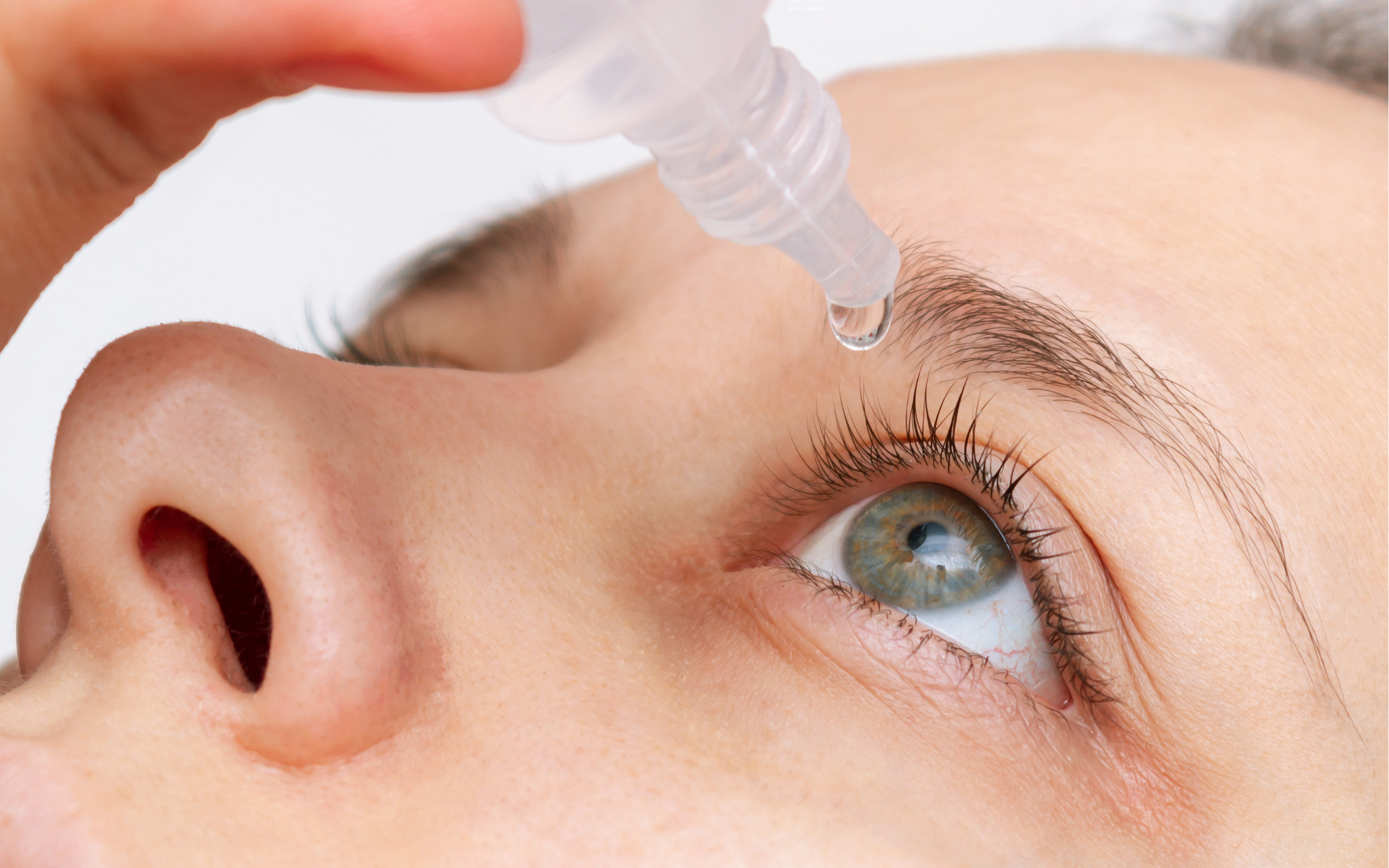
In the weeks immediately after laser vision correction surgery (SMILE, LASIK or PRK), every patient will make fewer tears. To counter this, we recommend you use artificial tears (lubricating eye drops) every 1 to 2 hours, for at least the first month. For more information on the eye drops and medications you might need after surgery, check out this article.
For most people, after surgery, dry eye is just an occasional irritation; sometimes it is more frequent and annoying. Dry Eye in its most pronounced form can cause blurred vision and pain.
But there are things you can do before surgery to minimize the impact of your post-surgical dry eye. The three things we recommend before surgery are;
- Taking lubricating eye drops 4 times a day for at least one week before surgery.
- Take an oral Omega-3 supplement 2 months before the surgery (and for at least one month after).
- Have Low-Level Light Therapy one week before and one week after surgery.
Dry Eye is such a big part of your surgical journey, we have written over six articles on our website. Keen to do a deep dive on the topic? Feel free to start here.
Why do we recommend dry eye treatments before your Laser Vision Correction with us?
We recommend these pre-surgical treatments to reduce your risk of having dry eye issues after surgery. This gives you the best chance of a smooth and comfortable recovery period.
You might not have had any symptoms of dry eye before your surgery. But because laser vision surgery will make your eyes drier, it is highly recommended that you get your eyes in tip-top shape beforehand.
This is a preventative treatment. “Better to build a fence at the top of the cliff, than have an ambulance at the bottom”.
Why are the eyes drier after Laser Vision Correction?
Laser vision correction surgery causes small amounts of swelling, just like any surgery or injury. Most of this swelling is in the cornea. This is the part of the eye that the laser is focused on. The cornea is the transparent dome at the very front of your eye.
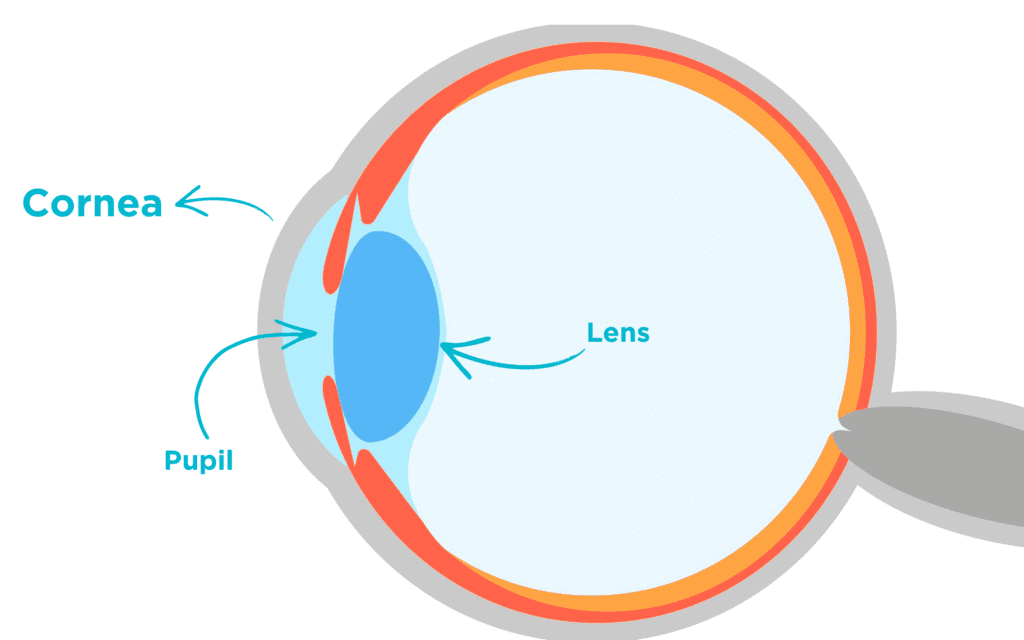
The swelling will ease with time, as the eye heals. We can help reduce the swelling by using lubricating eye drops and steroid eye drops. Both of which will be recommended to you after your surgery.
The areas around the cornea also get a little bit swollen. These areas don’t normally swell enough for you to spot it in the mirror, but enough that the affected tissues might not work at their optimal capacity.
When the parts of your eyes that produce and distribute your tears are swollen, they too will show reduced function. This is why your tear volume and tear quality will be affected after surgery. When the tears are altered in this way you will have some level of dryness. Not everyone will feel the sensation of dryness, or you might only feel it for the first day. But the tears will be measurably less effective.
What parts of the eyes are responsible for good quality tears?
Lacrimal gland. This gland is tucked up in your upper eye lid. This gland produces a watery fluid that makes up the bulk of your tears. If this gland gets swollen, it won’t produce enough tears.
Corneal Nerves. The nerves in your cornea are responsible for sensing when the front surface of your eye is dry or irritated. Once the nerves detect an issue, they send messages to your eye lids (to blink) and to the lacrimal gland (to produce more tears). If the nerves are swollen, as they are immediately after laser vision correction surgery, they aren’t as good at sending these messages, so tear production drops.
Meibomian Glands. You have over 30 of these glands in your top eye lid and in your lower eye lid. They produce an oil that slows down the evaporation of your tears. If these glands are swollen, a condition called Meibomian Gland Dysfunction occurs. And the glands will not produce enough oil, or the oil quality is poor. This leads to your tears evaporating too fast, causing dry eye.
Eyelids. Your eyelids are responsible for creating a nice firm even blink, this helps squeeze Meibomian oil out of the glands. Your blink also smooths your fresh tears over the surface of your eye, at the same time this blink sweeps away old tears along with debris, mucus and dead skin cells. When the eyelids swell, they don’t blink as effectively.
How do you know these pre-surgical treatments will work?
We can’t guarantee that the pre-surgical treatments will make a difference for you personally, but there are studies that have shown these treatments statistically improve how dry a person’s eyes feel, and how dry they look.
At the Wellington Eye Centre, we have been recommending pre-surgical treatments to our patients (lubricating eye drops and Omega-3 oral supplements) for over a decade, and over that time we have seen a drop in the number of our patients with significant post-surgical dry eye. These observations have been supported by research as far back as 2003. However, some people will still have significant dry eye issues. And if you develop dry eye after surgery, there are many treatments available to help with that.
Mid-2025 the Wellington Eye Centre started using Low-Level Light Therapy to treat dry eye. We have seen some promising results for those with Dry Eye Disease, and the dry eye associated with laser vision correction surgery. What we have seen in clinic, is supported by international research too. So, it makes sense to offer it as a treatment option before surgery.
What is the research that supports Low-Level Light Therapy before surgery?
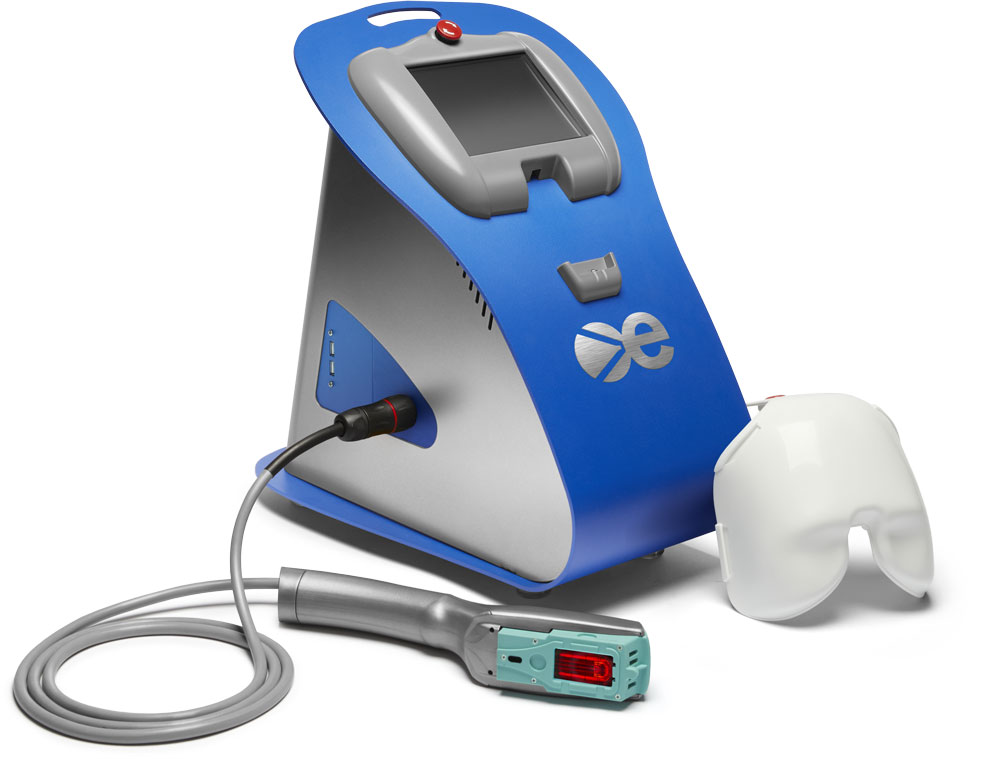
Published research from September 2025, supports the use of LLLT before laser vision correction surgery. In this study patients undergoing laser vision correction had LLLT therapy one week before surgery and one week after. About half the group had LLLT and the other half had a fake or sham treatment. Those who didn’t have the treatment reported that after surgery their eyes felt drier than they were before surgery. And clinical tests showed that tear quality was significantly affected for the first 3 months after their surgery.
Those patients who had LLLT before and after their surgery found their eyes had the same level of comfort for the 3months after surgery as they did before surgery. The quality of their tears did not significantly alter when assessed clinically. This group reported fewer symptoms of eye discomfort.
It is important to note that none of the individuals in this study had dry eye before the study started, nor did they have any autoimmune conditions or use any medications that are connected to dry eye.
What about dry eye treatments before Cataract surgery?
Absolutely! We don’t currently offer cataract surgery here at the Wellington Eye Centre, but it is a well-known fact that cataract surgery often induces or worsens dry eye. This compromises visual quality and patient satisfaction. And LLLT has been shown to improve the post-surgical outcomes after cataract surgery too.
This study came out in August 2025, and after reading it, we were even more keen to offer the LLLT treatment prior to surgery to our laser vision correction patients.
In this study, about 100 patients scheduled for Cataract surgery received LLLT or a sham therapy one week before surgery and one week after. These patients had not complained of any dry eye issues before the study started.
Patients who had LLLT described less dry eye symptoms than those who had the sham treatment. And when measuring dryness and tear quality, clinicians found that the patients who had the sham treatment had drier eyes and poorer quality tears compared to the group who had LLLT. These positive effects were most noticeable in the first month after surgery. Three months after the cataract surgery, both groups had about the same levels of dryness or discomfort.
If you’d like to find out whether you may be suitable for Laser Eye Surgery, get in touch! You can fill out the enquiry form, or call us on 0800 733 327.

Apr. 16, 2026 / Laser Eye Surgery
How Much Does Laser Eye Surgery Cost in 2026?
Nov. 27, 2025 / Laser Eye Surgery
What to expect during your Laser Suitability Medical Assessment at Wellington Eye Centre

Jun. 12, 2025 / Laser Eye Surgery
Common Medications Used in Laser Eye Surgery
May. 14, 2025 / Eye Health
Amblyopia and Laser Eye Surgery

Jan. 18, 2025 / Laser Eye Surgery
SMILE into Summer
May. 26, 2026 | Laser Eye Surgery
Why we recommend Dry Eye Treatments before your Laser Vision Correction

May. 04, 2026 | Eye Health
Vitamins For Good Eye Health and Vision
Apr. 16, 2026 | Laser Eye Surgery
How Much Does Laser Eye Surgery Cost in 2026?

Mar. 19, 2026 | Eye Health
Blue Light, Evil or Essential?

Feb. 10, 2026 | Eye Health