
Latest News and Articles

Wellington Eye Centre Optometrist
Blepharitis is one of the most common causes of red, irritated eyelids and uncomfortable eyes. It can cause symptoms ranging from mild irritation and crusty eyelashes through to significant dry eye symptoms and fluctuating vision. While it is usually a long-term condition, the good news is that effective treatments are available once the underlying cause has been identified.
The Types of Blepharitis
The term blepharitis can refer to two related conditions.
Anterior blepharitis – which is more commonly referred to as just blepharitis. This type of blepharitis affects the outer edge of the eyelids, where your eyelashes attach to your eyelids. This is the type of blepharitis we will discuss in more depth here.
Posterior blepharitis – which is more commonly referred to as Meibomian Gland Dysfunction (MGD). This type of blepharitis affects the glands that run along the inner edge of the eyelid, the part that touches the eyeball.
Anterior and posterior blepharitis can occur simultaneously. When both occur together, this is referred to as mixed blepharitis.
What are the Symptoms of Anterior Blepharitis?
Common symptoms include:
- Red, sore, irritated eyes and/or eyelids
- Dry, gritty, itchy, and stingy eyes
- Light sensitivity
- Vision that fluctuates with blinking
- Crusting of the eyelashes can make the eyelids stick together on waking
- Puffy, swollen feeling to the eyelids.
You might experience some of these symptoms, all of them, or possibly none of them and still have blepharitis.
Signs your optometrist or ophthalmologist may see during an examination
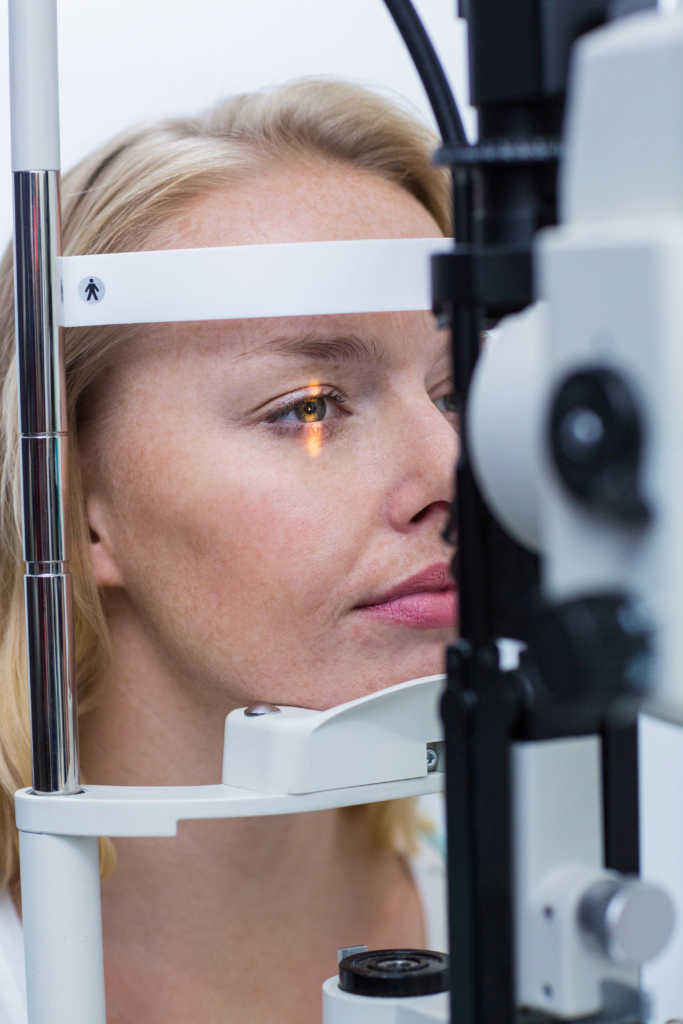
When your optometrist or ophthalmologist examines your eyes, blepharitis can present in several ways. Most of these clinical signs are only visible under magnification using a slit-lamp microscope. Those signs are;
- Red, swollen eyelid margins (the edges of your eyelids)
- The buildup of debris and dead skin cells along your eyelid margins
- Collarettes, which are scaly, pale flakes (like dandruff) or cylindrical collarettes, which look like shiny, waxy, tube-like debris around the base of your eyelashes. This is a classic sign of Demodex blepharitis
- Matted, missing or misdirected eyelashes. They can sometimes grow towards your eye, causing scratching
- Frothy tears -most tears just look like clear water, but if they have a soapy, frothy or white look to them, it’s a sign of blepharitis.
- Dilated blood vessels (telangiectasia) in your eyelids – appearing more wiggly, sometimes called spider veins.
- Translucent pale skin around your eyelids
- Ulcers along the eyelid margin (in severe cases)
What causes Anterior Blepharitis?
Anterior blepharitis can be caused by a few things.
Bacterial overgrowth: Staphylococcus is a type of bacteria that lives happily on our skin, usually causing no problems. If the number of these bacteria increases beyond normal levels, called an overgrowth, the toxins these bacteria produce can start to cause irritation and inflammation. It is not an infection, but using antibiotics can help treat this.
Seborrheic Dermatitis: This is a skin condition where your skin becomes flaky and dry, like dandruff. These flakes can travel to the eyelid’s edges, causing a build-up that then lets the bacteria increase in numbers, causing a bacterial overgrowth and then inflammation.
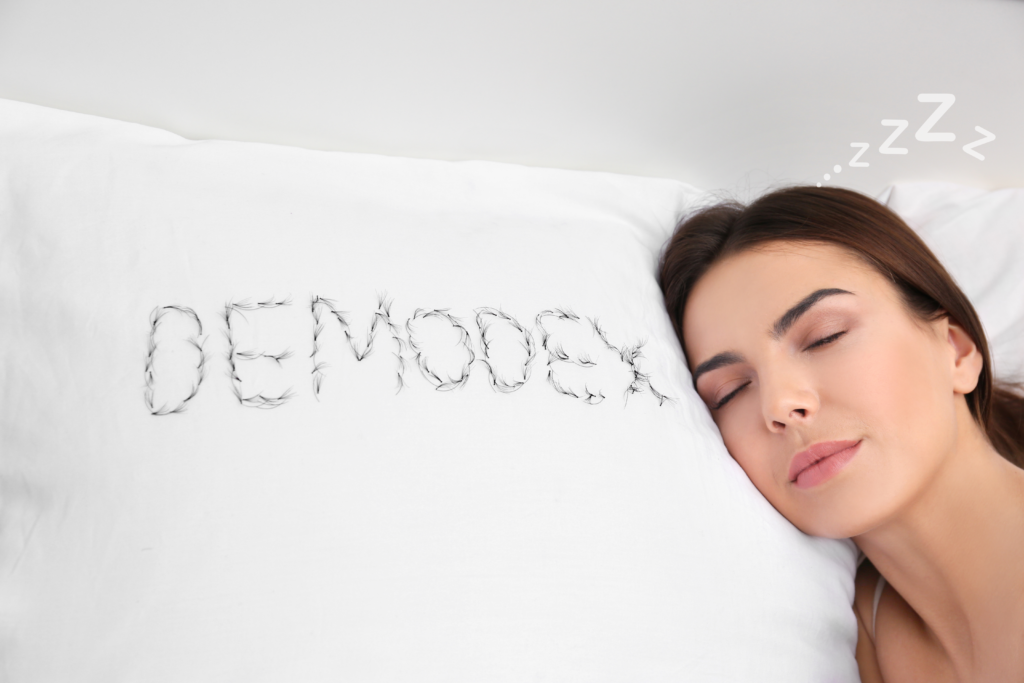
Demodex mites: Demodex is a parasite that can live in our eyebrow and eyelash follicles and in our oil glands. Demodex can destroy the cells of these follicles and glands. This makes the oil glands of our eyelids less effective; it causes inflammation and a build-up of debris around our eyelashes and eyelids. This build-up can cause further inflammation and can allow bacterial overgrowth to occur. Demodex mites carry Staphylococcus bacteria on their skin and in their digestive tracts, so when the Demodex mites die, they release these bacteria and their toxins, causing more inflammation.
Allergy: If the skin around your eyelids reacts to something, for example, moisturisers, makeup or eye drops, the skin can get inflamed. This is a type of blepharitis, too.
Who gets Blepharitis?
Anyone can have blepharitis. And in New Zealand, up to 15 % of patients presenting to optometrists show signs of anterior blepharitis. Although many of those patients have no symptoms of the condition.
Anterior blepharitis is more likely to occur as you age, so the incidence increases significantly after the age of 50 years.
Your risk of developing blepharitis increases if you have skin conditions such as atopic dermatitis (eczema), psoriasis, dandruff, rosacea, oily skin or allergies that affect the area around your eyes.
You have a greater risk of blepharitis if you do not regularly or effectively clean the area around your eyelids. So, removing makeup thoroughly and discarding old makeup is critical. Avoiding eyelash extensions is also helpful. You can read our blog to find out more about eyelash enhancements, eye makeup and their impact on eye health.
How is Blepharitis Treated?
In most cases, blepharitis is a chronic condition. So, treatment aims to manage or minimise the symptoms. Generally speaking, you can’t get rid of blepharitis altogether.
Since both anterior and posterior blepharitis worsen with bacterial involvement, and both forms cause inflammation, there are some treatment options that help both conditions.
But because anterior and posterior blepharitis have different underlying causes, your health care practitioner will need to diagnose which type/s of blepharitis you have to tailor the treatment to you. This will offer you the best chance at more effective care.
Antibiotics. Topical antibiotics, like an eye drop or ointment, can help both types of blepharitis but tend to be less effective for posterior blepharitis. Oral antibiotics tend to be more effective for posterior blepharitis.
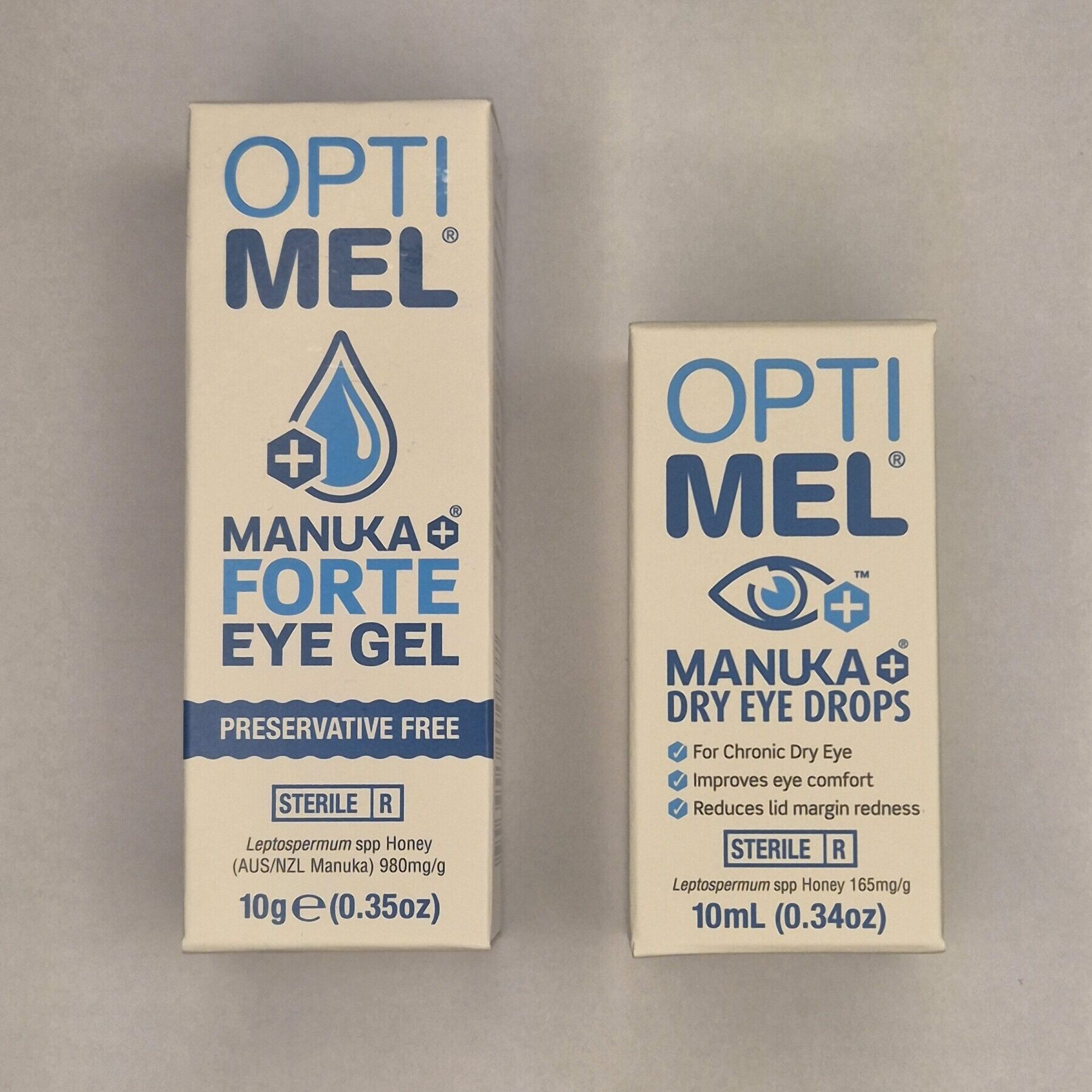
Manuka honey eye drops. Honey, especially sourced from Manuka, has antibacterial properties. Commercially available eye drops and gel, such as Optimel, can be helpful to reduce inflammation and bacterial load in cases of blepharitis.
Optimel eye drops and gel are available from The Wellington Eye Centre, and you can read more about the buzz created by these eye drops.
Red Low-Level Light Therapy. This type of therapy targets any eyelid cells that are inflamed. It helps those inflamed cells to produce more energy, energy the cells need to improve tear quality and to heal.
The Wellington Eye Centre offers low-level light therapy (LLLT). You can learn more about how it works in our article, Low-Level Light Therapy for Dry Eyes
How is Anterior Blepharitis Treated?
Eyelid cleaning products – Products designed to clean the eyelid area are easy to use and do a great job of removing any buildup or debris along the eyelid margin. Clearing this away makes it harder for bacteria to build up. These products are available in a few forms: a spray that you wipe on your eyelids, a medicated sterile wipe or a foam.
The most effective eyelid cleaning products have either low doses of tea tree oil or hypochlorous acid in them.
Tea tree oil (TTO) works to help resolve blepharitis in three ways;
- TTO irritates Demodex mites, forcing them out of the hair follicles and glands, so they can then be washed away.
- TTO in the correct concentrations can penetrate the Demodex mite’s outer shell, disrupting its cellular membranes and rapidly causing death. TTO can also kill the Demodex larvae and their eggs.
- TTO has anti-inflammatory properties, so it can soothe the inflammation caused by any type of blepharitis.
- TTO can kill bacteria by invading the cell wall, making the bacteria leaky. The TTO also disrupts bacterial energy production and prevents bacteria from forming their protective outer coating.
You can purchase Blephadex Eyelid Foam Cleanser, which has tea tree oil in it, at the Wellington Eye Centre. There are other products on the market that have TTO in them, and these seem to have similar levels of effectiveness.
Do NOT use pure TTO on or near your eyes. TTO that has not been sufficiently diluted will cause significant irritation and pain.
Hypochlorous acid works to help resolve blepharitis by;
- Penetrating bacterial cell walls, then damaging the bacteria’s proteins and DNA, resulting in the death of the bacteria.
- By reducing the bacteria that form part of the Demodex mite’s food source, hypochlorous acid may also help reduce Demodex populations.
- Neutralises the toxins which are released by bacteria and Demodex, which cause inflammation.
- Helps clean and soothe irritated skin
We sell OCuSOFT HyperChlor spray, which has hypochlorous acid in it.
TTO and Hypochlorous acid both kill bacteria, and they use different methods to do so. However, if used at the same time, the TTO can make the Hypochlorous acid less effective, and the two together can cause skin irritation.
Blue Low-Level Light Therapy
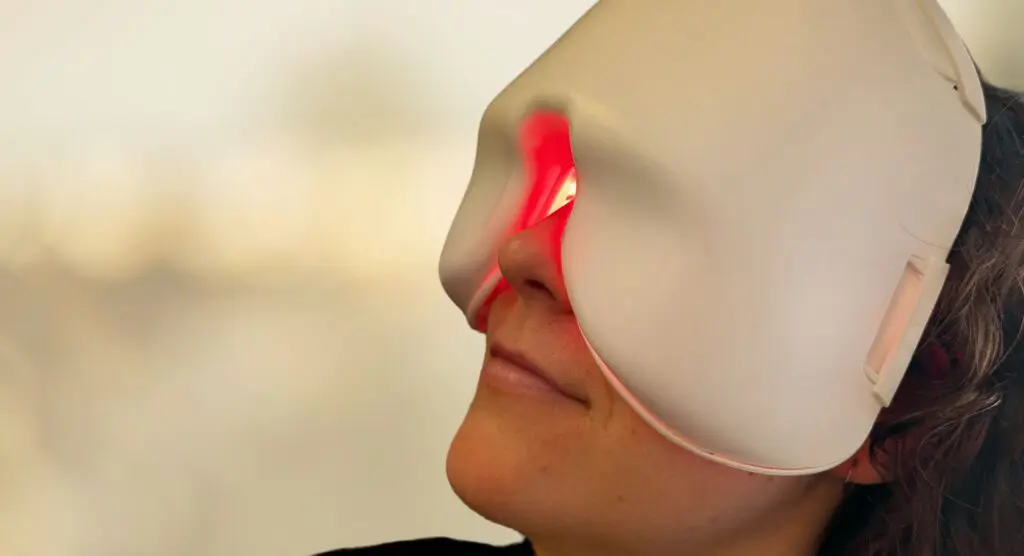
Low-level blue light used in conjunction with low-level red light is highly effective as a treatment for anterior blepharitis. The blue light targets certain types of (gram-positive) bacteria in the area, killing them. It can be helpful in some cases of posterior blepharitis too. Coupling this with the healing properties of the red light makes it much more effective.
Both red and blue low-level light therapy are available here at the Wellington Eye Centre. To find out whether this treatment may be beneficial to you, book a comprehensive dry eye assessment.
Other medications
Ivermectin. Ivermectin is available as an oral medication and as an ointment. It can be very effective in killing the Demodex mites found in some cases of anterior blepharitis. Ivermectin is officially used in New Zealand for the treatment of parasitic worms and scabies. The use of it for Demodex is considered off-label. It works by disrupting the nerve signals in the mite, leading to their death.
Ivermectin ointment goes by the brand name Soolantra. Soolantra is applied to the eyelash area by a clinician, then wiped away after 10 minutes. You often require two treatments, about 2-4 weeks apart. A local study showed that maintenance treatment is required in about 30% of cases after 6 months. Individuals who are most likely to need maintenance treatment are contact lens wearers, those with rosacea, and/or those who are immunocompromised.
Soolantra treatment is available from the Thorndon Eye Clinic in Wellington.
Lotilaner eye drops. These eye drops are not currently available in New Zealand. But they work in a similar way to Ivermectin by disrupting the mites’ nerve signals, leading to their death. Lotilaner has been available in the USA since 2023. These eye drops only need to be instilled twice a day for 6 weeks, making it a very easy treatment regimen to follow.
When should I seek treatment?
You should arrange an assessment if you are experiencing any of the above symptoms regularly or for a prolonged period. Blepharitis is often a long-term condition, but with the right treatment it can usually be managed very successfully.
If you are in the Wellington region and would like to find out whether Low-Level Light Treatment (LLLT) could help your dry eyes or blepharitis, email or call 0800 733 327 to speak with a member of our team to book a Comprehensive Dry Eye Consultation.
References
- National Center for Biotechnology Information (NCBI). Blepharitis. StatPearls Publishing. https://www.ncbi.nlm.nih.gov/books/NBK459305/
- Mayo Clinic. Blepharitis – Symptoms and causes. https://www.mayoclinic.org/diseases-conditions/blepharitis/symptoms-causes/syc-20370141
- American Optometric Association. Blepharitis. https://www.aoa.org/healthy-eyes/eye-and-vision-conditions/blepharitis
- National Eye Institute. Blepharitis. https://www.nei.nih.gov/eye-health-information/eye-conditions-and-diseases/blepharitis
- New Zealand Optics. Dealing to Demodex Blepharitis. https://www.nzoptics.co.nz/live-articles/dealing-to-demodex-blepharitis
- New Zealand Optics. Eye and Mitey – Dealing to Demodex with Ivermectin. https://www.nzoptics.co.nz/live-articles/eye-and-mitey-dealing-to-demodex-with-ivermectin
- Ngo W, et al. The International Workshop on Meibomian Gland Dysfunction. Clinical Optometry. https://pmc.ncbi.nlm.nih.gov/articles/PMC6556368/
- Te Whatu Ora Health New Zealand. Oral Medicine Guidelines – Meibomian Gland Dysfunction and Blepharitis. https://odob.health.nz/document/6791/Oral_Medicine_Guidelines_MGD%20&%20Blephariti_v3_November_2022_.pdf

May. 04, 2026 / Eye Health
Vitamins For Good Eye Health and Vision

Mar. 19, 2026 / Eye Health
Blue Light, Evil or Essential?
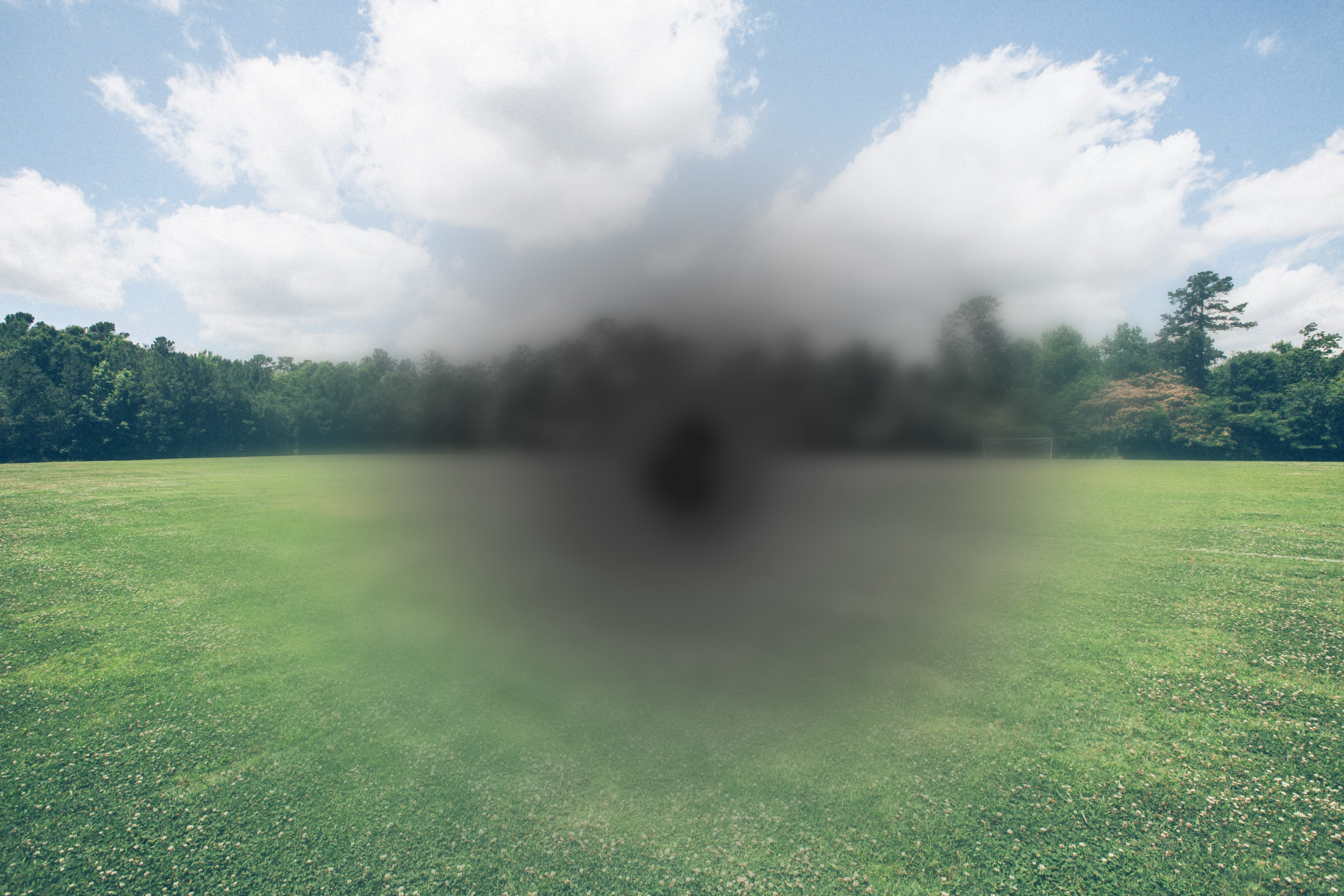
Feb. 10, 2026 / Eye Health
Age Related Macular Degeneration (ARMD)

Dec. 18, 2025 / Eye Health
Everything You Need To Know About Dry Eye
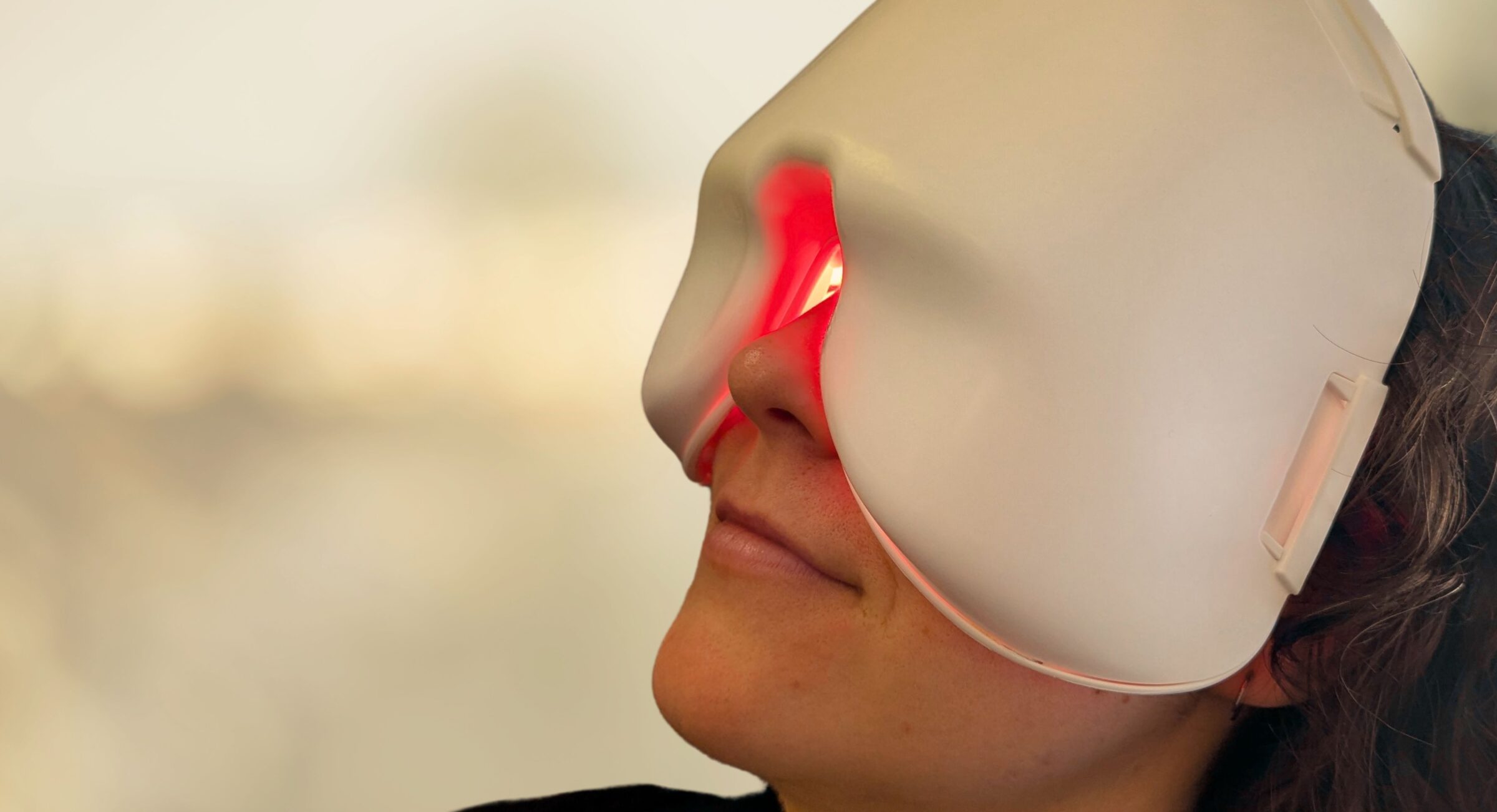
Sep. 25, 2025 / Eye Health
Low-Level Light Therapy for Dry Eyes
Oct. 07, 2026 | Uncategorized
I Had LASIK 10–20 Years Ago and My Vision Has Changed. Can I Have Laser Eye Surgery Again?

Aug. 19, 2026 | Staff Picks
Things to Do in Wellington: Our Staff Picks Near Cuba Street

Aug. 19, 2026 | Staff Picks
Where to Eat in Wellington: Our Staff Picks Near Cuba Street
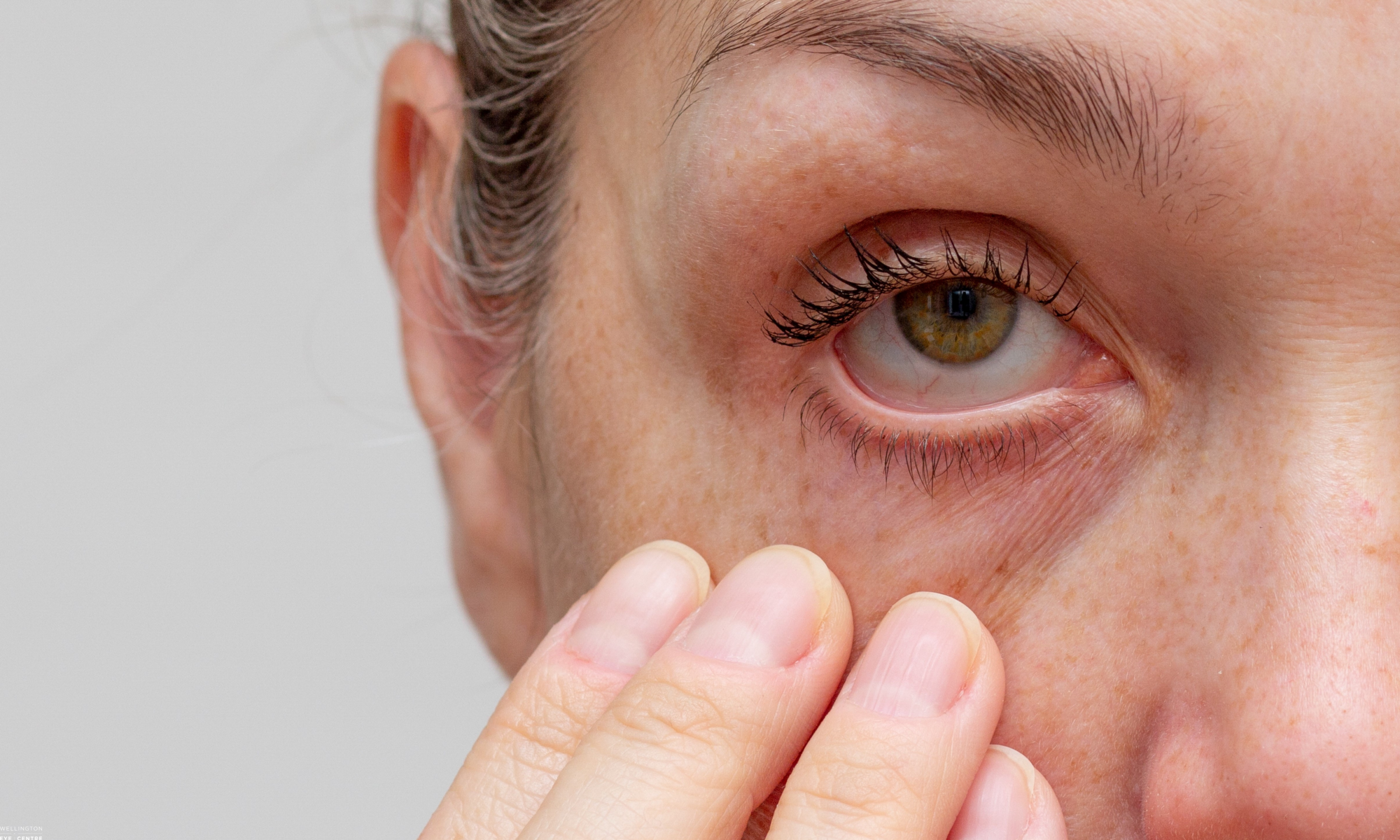
Jul. 17, 2026 | Eye Health
What is Blepharitis?
Jun. 16, 2026 | Laser Eye Surgery